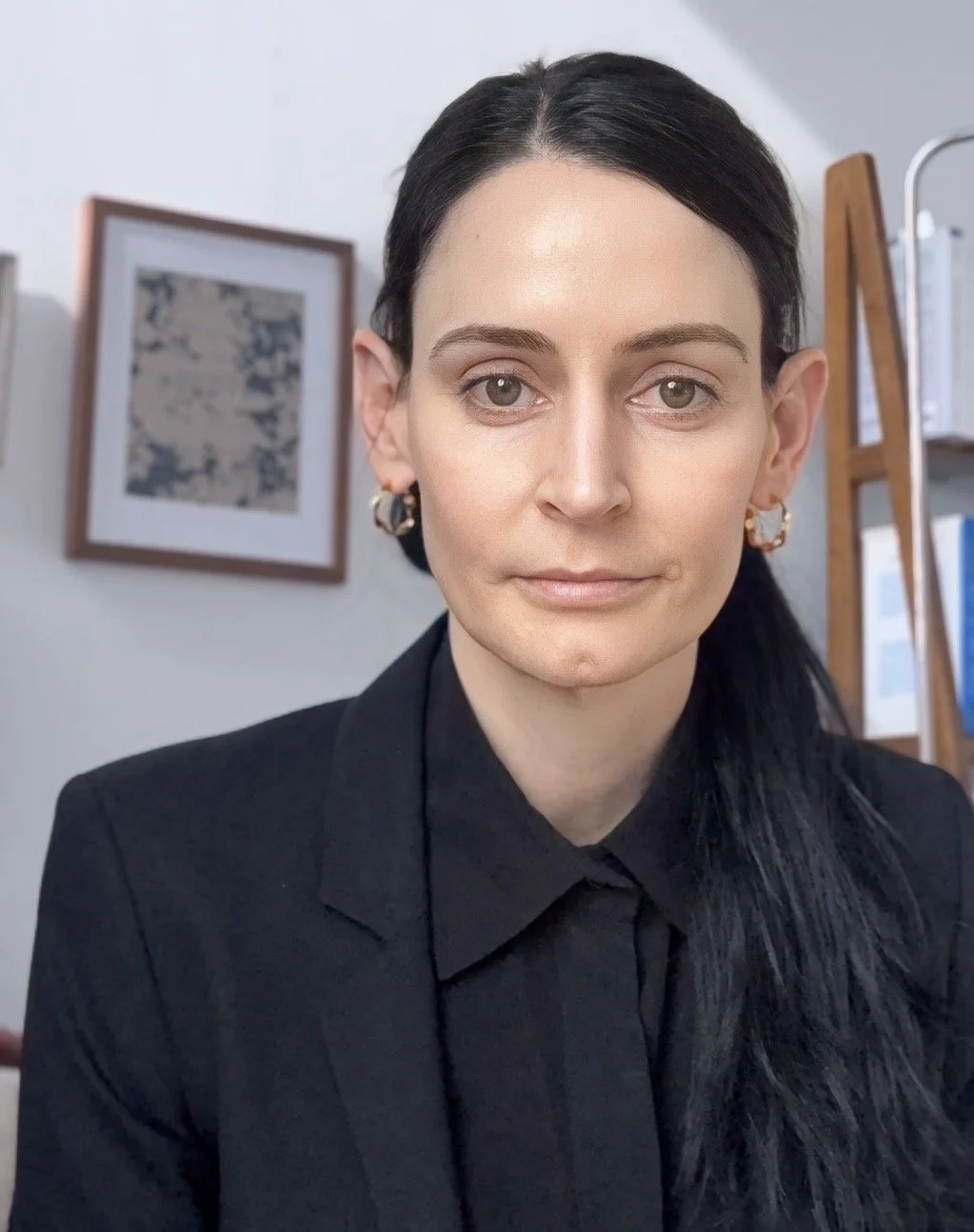
Individual Therapy in Williamsburg, Brooklyn
I moved from Europe to the United States at age 15, and the transition and process of cultural integration were deeply impactful. This experience contributed to my interest in understanding how identity develops, how relational patterns form, and how a person’s environment shapes their sense of self. I am especially interested in how growing up within one cultural context and later adapting to another can contribute to identity confusion, feelings of displacement, and a persistent sense of not fully belonging.
I believe that childhood experiences profoundly influence emotional development, relationships, self-perception, and the relational templates people carry into adulthood.
I received my master’s degree from the Hunter College School of Social Work and am a licensed psychotherapist practicing in New York. I have a particular interest in how attachment disruptions, chronic stress, and adverse experiences can shape emotional regulation, identity, relationships, and reflective self-awareness.
My approach is grounded in curiosity, empathy, and collaboration, and is informed by attachment and psychodynamic theories. I integrate relational, trauma-informed, and depth-oriented perspectives with EMDR and verbal psychotherapy.
My work emphasizes creating a grounded, nonjudgmental therapeutic space where clients can safely explore longstanding patterns, relational wounds, survival adaptations, internal conflicts, and emotional experiences at a pace that feels manageable and clinically appropriate.
I work with adults experiencing depressive and anxiety symptoms, relationship difficulties, and patterns connected to attachment, identity, self-worth, and emotional regulation.
Treatment focuses on understanding how past experiences may contribute to present-day difficulties, relational patterns, and emotional suffering. At times, the work is exploratory and insight-oriented; at other times, it becomes more focused and direct. This allows therapy to be both precise in addressing specific symptoms and patterns, and contextual in understanding how those patterns developed and continue to be maintained.
I believe the therapeutic relationship itself can be an important part of the healing process, offering a space where greater self-understanding, emotional integration, and new relational experiences can emerge.